**29/11/10 - 8.22am - by James Gerrish**
Last week I discussed my view that demand from emerging markets particularly China is going to be supportive of commodity prices in the medium term (3-5 years). This assessment is built on the
unprecedented level of industrialisation and urbanisation that is occurring in China and the probable impact of India's rapid growth.
A note out over the weekend by UBS which covered the estimates for FY11 capex intentions (the amount companies are spending on increasing capacity) highlighted the significant investment - particularly in the mining space, Australian companies are making to meet emerging markets growth.
The survey estimates growth in Capex of 23% year on year and this represents an impressive 16% of GDP and somewhere between 2.5 and 3 points to nominal GDP growth. We saw examples of this Capex spend about 10 days ago with Fortesque Metals announcing plans for $8.4 billion in development. We're also seeing Rio Tinto undertaking infrastructure expansion in the Pilbara to increase its iron ore production capacity to 283 Million tonnes per annum (Mtpa) by 2013, with final feasibility studies underway to increase capacity to 333 Mtpa.
To give you an idea of the magnitude of this development, RIO has drilled 3.3 million metres in the past decade and plans to drill 3.9 million metres in the next five years - (a greater amount in half the amount of time). Sam Walsh, Rio's Iron Ore boss said that Rio's program is "unprecedented in the history of the iron ore business".
So although some are suggesting that a commodity boom & bust scenario may be playing out, I don;t buy into this view. My view is being supported by billions upon billions of dollars worth of mining projects based on the expectations of emerging markets growth. I think it would be dangerous to bet against this trend!
So if we're comfortable with our longer term assessment that commodity markets will continue to be supported by the growth in emerging markets, we then need to focus more intently on the shorter term trends that will impact prices with the ultimate view that we want to be long the sector.
At the moment,
I think the market is at a bit of a cross roads and if we look at the main indices, currencies and commodities it becomes obvious that we're all a little cautious at the moment.
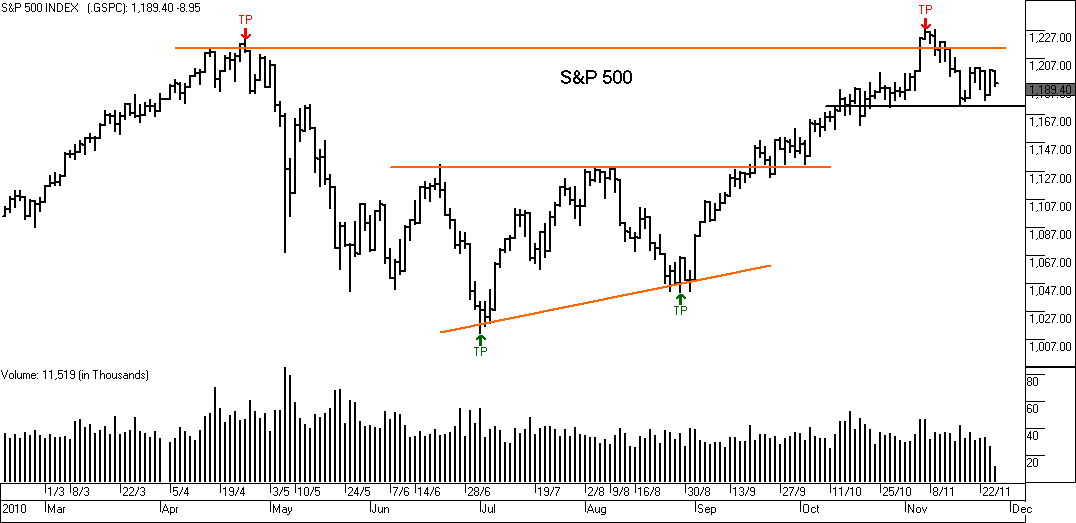
S&P 500 - The broader US index has pulled back from its highs however has shown price support around 1170. A break of this level would suggest a higher probability for near term weakness.
 S&P/ASX 200 -
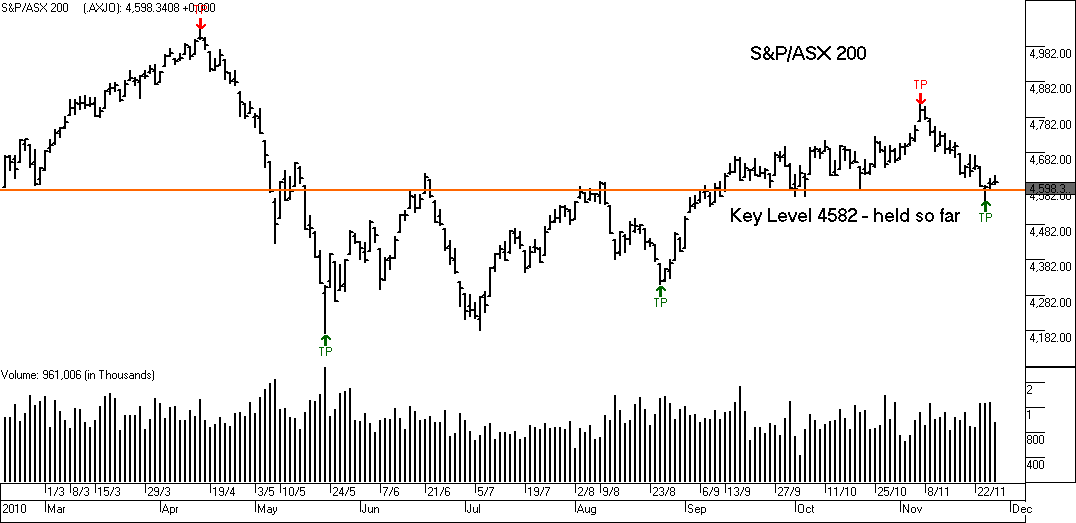
 4582 remains out key level of support in the local market. We have managed to close above this level last week after a strong intra day recovery on Wednesday. Look for this level to hold on a close basis - if we fail here more down side seems likely.
 US Dollar Index
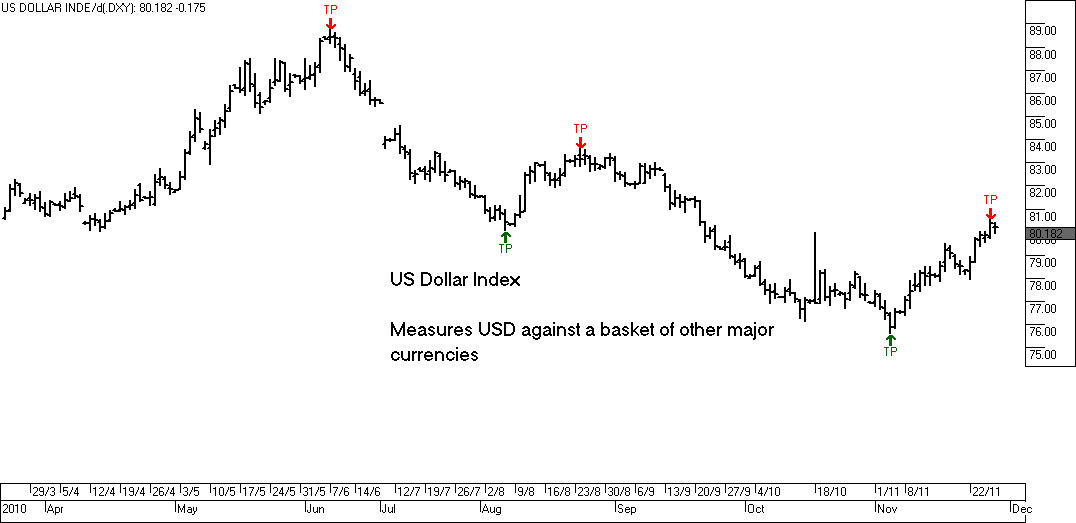
 - The Dollar Index measures the US currency against 6 of its biggest trading partners. At the moment, US dollar strength as can be seen in the chart is occurring for 2 main reasons. Economic data from the US is improving and uncertainty in Europe if forcing investors to increase exposure in safe haven assets which the USD is perceived to be (I disagree however thats an argument for another time). A rising USD is a negative for commodities and commodity backed currencies like the Australian Dollar.
 Commodity Index
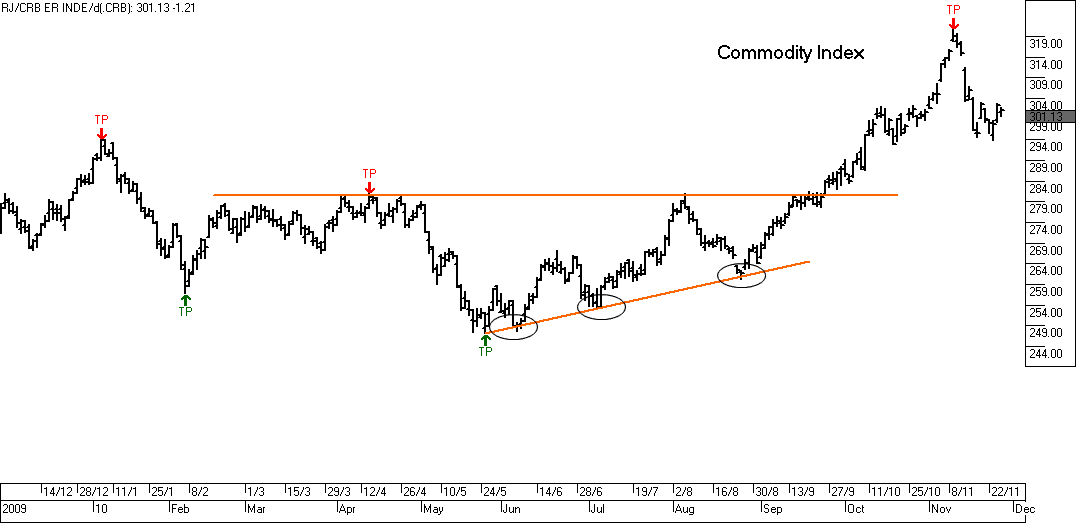
 - Some months ago we highlighted the ascending triangle pattern in the commodity index suggesting higher levels in the commodity markets - which played out nicely. At the moment, USD strength and Eurozone volatility is weighing on commodities and other assets that are associated to growth (and risk). For now, the pullback seems to have found some type of support. A break below 294 would be a short term bearish move.
So - some short term concerns (maybe) in the market at the moment however its still a little early to call. As I suggested last week - some caution at this current juncture is suggested. I remain comfortable with the longern term outlook for commodities and we'll continue to position for this move.
James Gerrish
(02) 9375 0117
