**19/11/10 - 8.24am - by James Gerrish**
A strong night on overseas markets with buyers stepping back into the fray as Ireland looks set to take up EU/IMF assistance and General Motors (GM) relisted (after going into Chapter 11 bankruptcy) in the US with strong demand sending shares more that 9% higher.
We saw all the characteristics of a strong move into risk assets with a sell-off in the USD (
SEE CHART), and buying in Commodities (
SEE CHART).
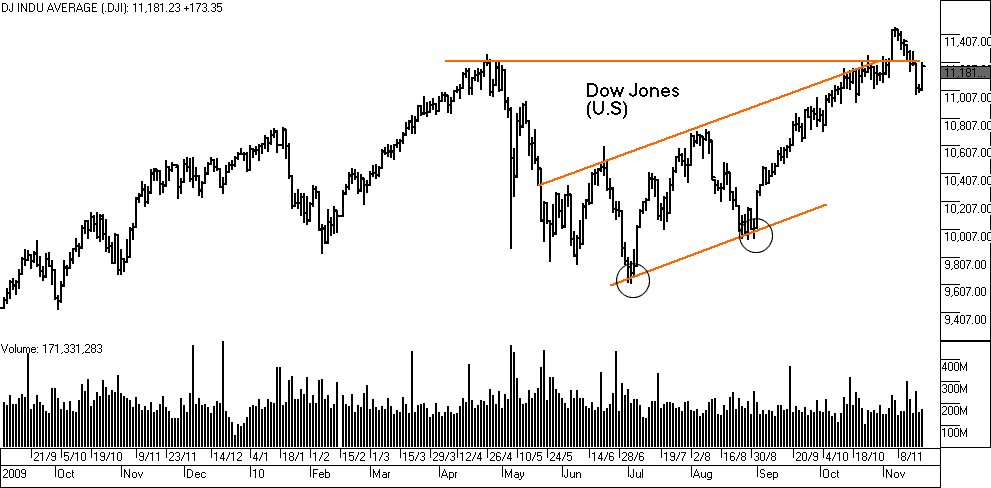
The DOW JONES added +173 points or +1.57% to close at 11181. In London, the FTSE 100 added +76 points or +1.34% to close at 5768.
At the start of the week we highlighted 3 factors that was unsettling markets:
1. The roll out of QE2 and the potential impact that printing money will have on the long term viability of the US economy.
2. The recent moves by China to increase interest rates and jack up the Reserve Requirement Ratios (RRR) of banks in an attempt to manage growth (and inflationary pressures that go with it)
3. Risk of Ireland defaulting on its debt
We'll now focus on the third issue and in my opinion probably the most benign when it comes to longer term implications for the Australian market.
Ireland is having issues covering its Government debt obligations and this has brought back the experience we had with Greece earlier in the year. The main difference here however is that EU and the IMF have been pressuring Ireland to take assistance which Ireland has been somewhat resisting. It now looks like a package will be put forward and accepted to sure up Ireland's finances. The powers in Europe are no doubt looking to ensure these concerns are managed effectively so issues don't flow through to other EU nations including Spain and Portugal.
The main implications from the Irish debt issue comes down to its impact on the level of confidence in the banking system - we saw this falter during the GFC. We also saw it take a hit when Greece had its issues. Bond Yields generally hog the headlines and when we see the yields on Irish Bonds more that 5% above similar maturities in Germany, it can be of some concern.
One more important measure however is the movements in the 3 month US dollar Libor Rate (London Interbank Cash Rate) and the TED spread (the difference between the yield on the 3 month US Treasury bill & Libor). These basically measure the confidence in the global banking system and we saw both of these measures spike in June (time of Greek incident) to levels that were previously seen during the GFC. This has not been the case with Ireland which suggests that institutions are un-fazed by this issue. This may change in time if the situation lingers however for now, it
looks like media hype has been the main driver of concern about Ireland.
In other news out this morning, the OECD has given us further information to support our equity strategy of focusing towards emerging markets - avoiding developed economies. Advanced economies are expected to expand 2.3% in 2011 down from their May projection of 2.8%. The global forecast is for growth of 4.2% next year so this must be driven by the growth in the developing world. China is still tipped to expand by 9.7% in 2011.
The Australian Treasury also added to this theme by saying that imbalances in the world economy may increase and there was a risk of trade tensions (US attack of Chinese currency policy is an example here).
Have a good weekend.
